01
Discover
Discover the repository landscape
Analyze repositories, branches, workspaces, manifests, lockfiles, CI, containers, infrastructure, tests, and ownership.
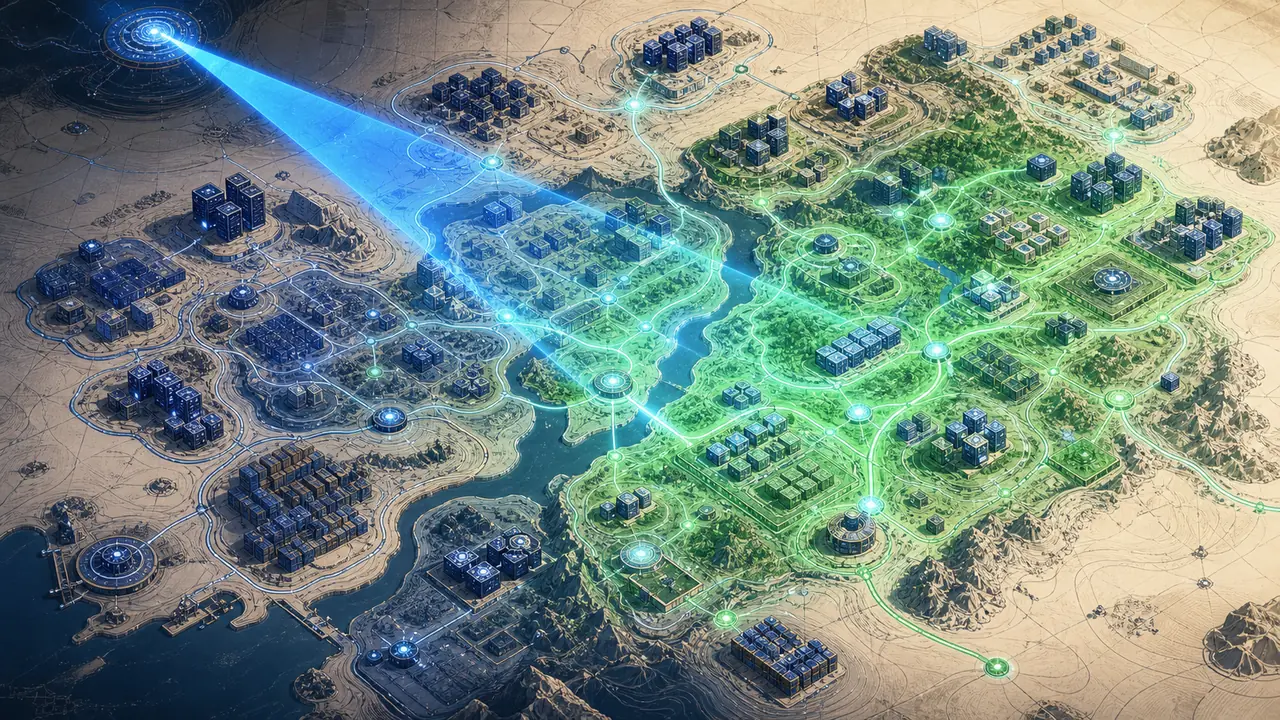
Complete migration operating model
CutoverGrid discovers the current state, maps impact, identifies blockers, sequences engineering work, and verifies production readiness.
Nine connected capabilities
Each capability produces structured evidence for the next, keeping technical context intact from first scan through production verification.
Discover
Analyze repositories, branches, workspaces, manifests, lockfiles, CI, containers, infrastructure, tests, and ownership.
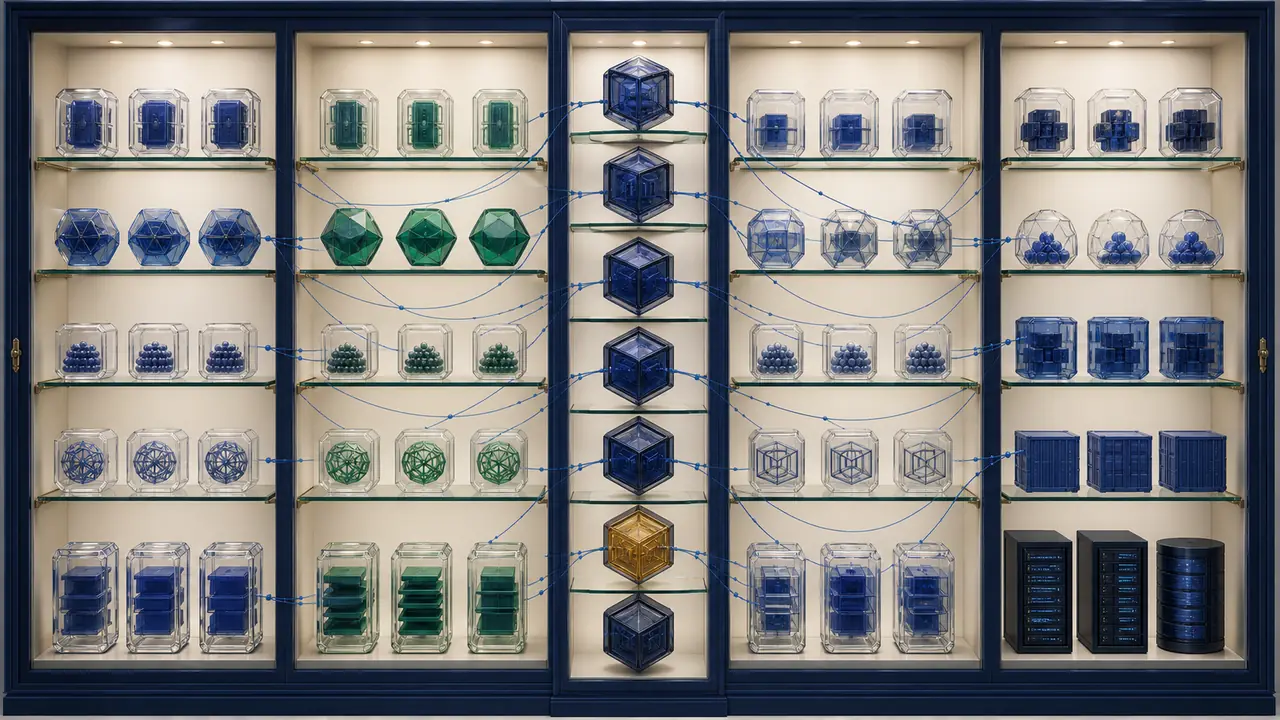
Inventory
Identify runtimes, frameworks, dependencies, internal packages, build tools, deployment targets, and version relationships.
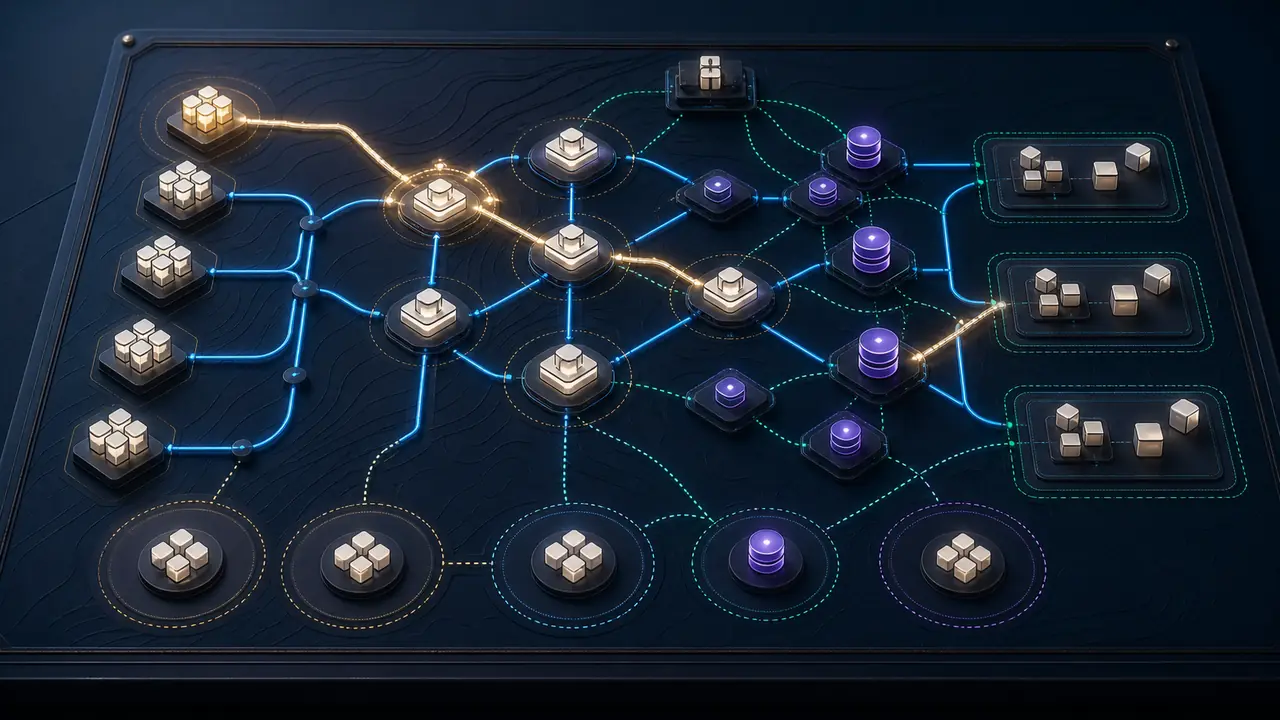
Map
Connect repositories, services, packages, databases, queues, pipelines, infrastructure, environments, and owning teams.
Assess
Detect blockers, deprecated APIs, removed behavior, native-module risk, version conflicts, legacy runtime pins, and missing validation.

Estimate
Provide engineering-day ranges with assumptions, exclusions, confidence, and the unknowns that can change the estimate.

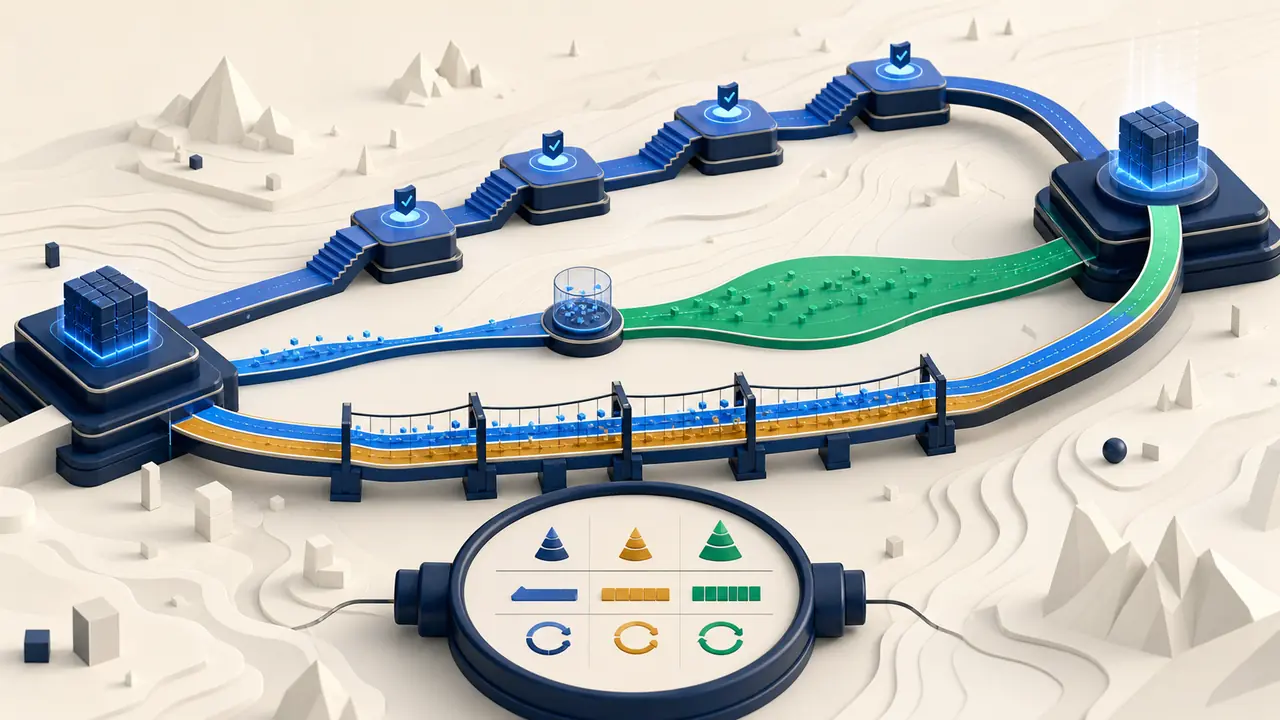
Plan
Compare phased migration, coordinated cutover, dual runtime, compatibility layers, canary rollout, blue-green rollout, and other relevant approaches.
Coordinate
Convert findings into sequenced tasks, dependencies, owners, acceptance criteria, validation steps, and rollback conditions.

Verify
Evaluate builds, tests, performance, error rates, monitoring, infrastructure, rollback readiness, and approvals.

Learn
Compare estimated and actual effort, predicted and observed blockers, expected and real risk, and designed versus actual sequence.

A shared source of truth
See readiness, effort, risk concentration, team constraints, and cutover confidence across the migration portfolio.
Trace compatibility evidence, cross-repository dependencies, shared blockers, migration sequence, and infrastructure gates.
Receive scoped work with evidence, prerequisites, acceptance criteria, validation steps, and rollback conditions.
Start with the evidence
Connect repositories, identify technical dependencies, and coordinate every wave through verified cutover.